الاختيار بين الحرير والساتان يبدأ بفهم الفرق بين الليف الطبيعي وطريقة النسج اللامعة. في NileChic نكتب عن الملابس الداخلية بوصفها طبقة خاصة من الأناقة اليومية: قريبة من البشرة، مرتبطة بالحركة، وتحتاج إلى اختيار هادئ لا إلى استعجال. الفكرة ليست أن تملئي الدرج بقطع كثيرة، بل أن تعرفي ما يخدم جسمك وروتينك ومزاجك في كل مرة ترتدين فيها القطعة.
إذا كانت لياليك دافئة، فابحثي عن خامة تسمح للبشرة بالتنفس. وإذا أردت لمعاناً سهلاً وعناية أبسط، فراجعي تركيب القماش وطريقة الغسل قبل القرار.
كيف تطبقين الفكرة
ابدئي من المقاس الحقيقي لا من التخمين. راقبي ثبات الحزام، عمق الكأس، ملمس القماش، ومكان الحواف تحت الملابس. القطعة الجيدة لا تطلب منك تعديلها كل ساعة، ولا تفرض عليك إحساساً بالضغط أو الحكة. إذا تغير الموسم أو الوزن أو نوع الملابس التي ترتدينها، أعيدي تقييم الأساسيات بهدوء.
ما الذي تلاحظينه عند الشراء
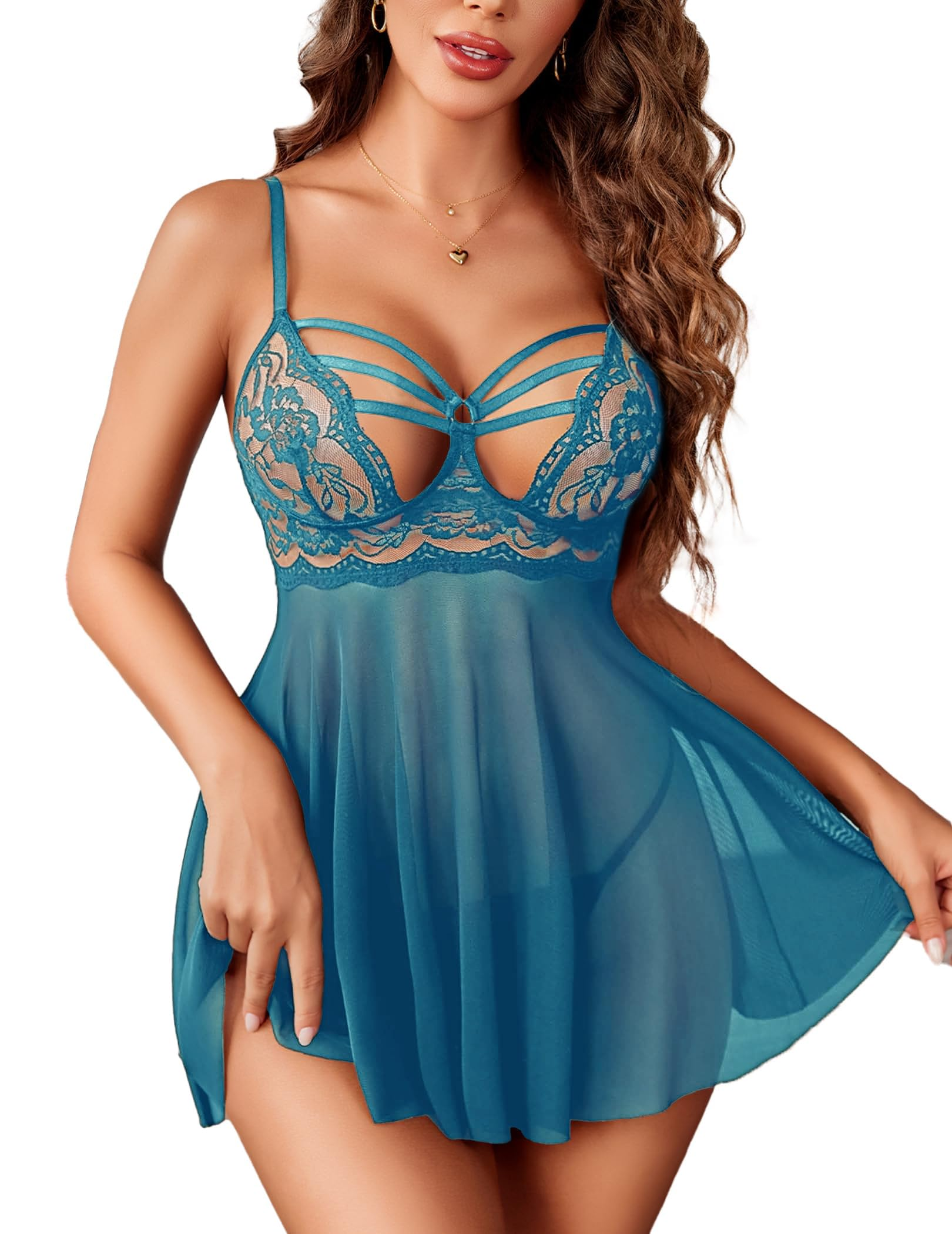
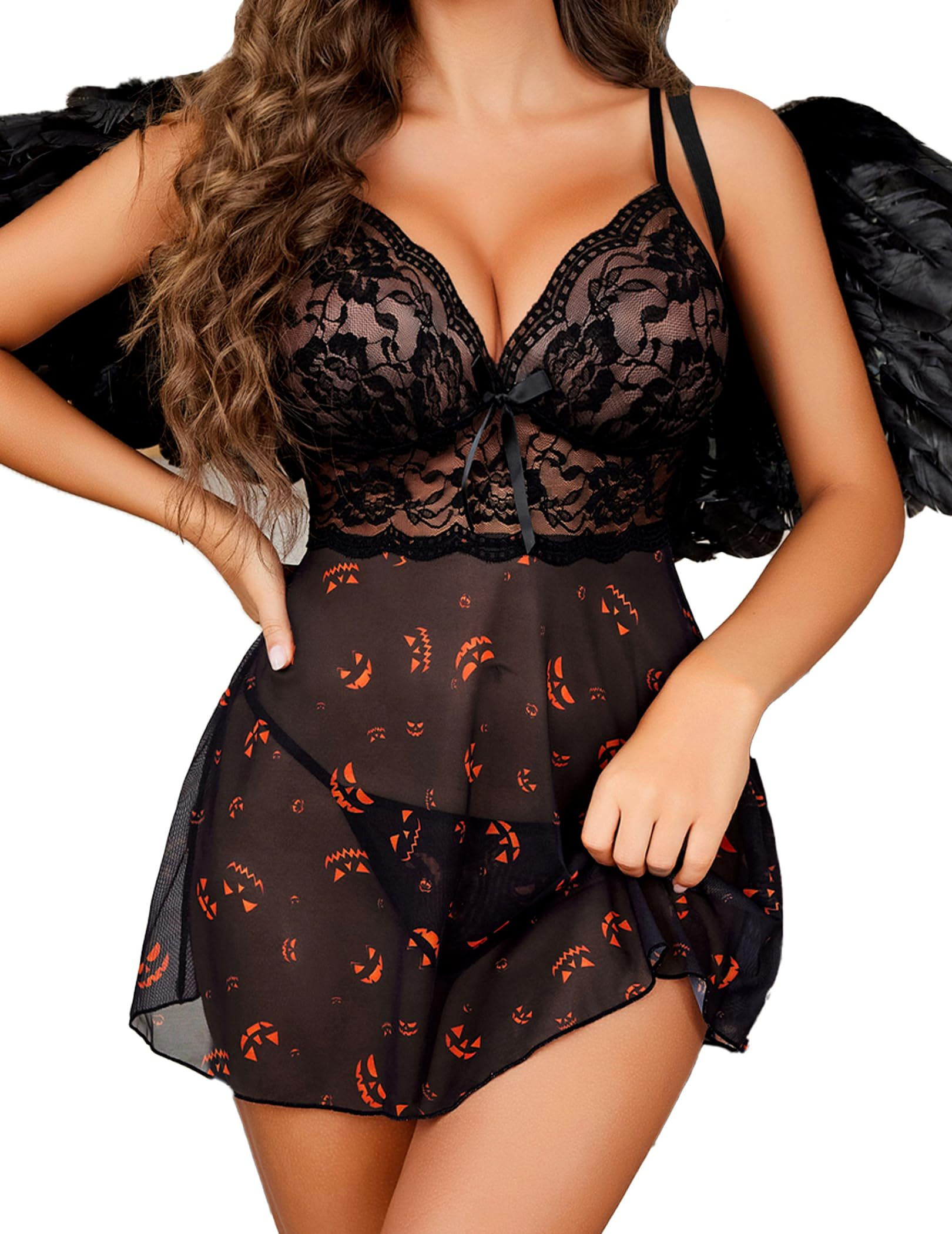
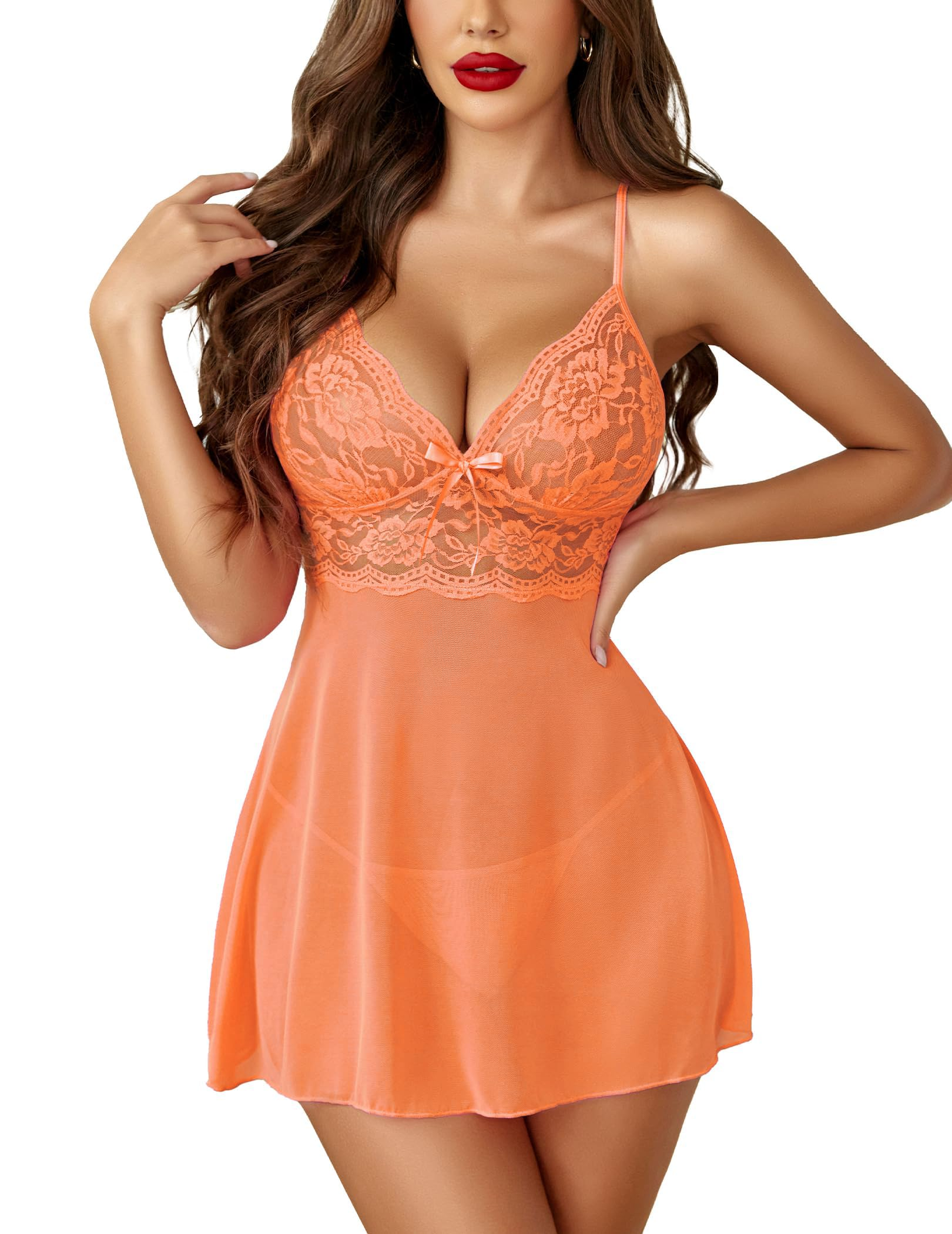
اقرئي وصف القماش والعناية، وانظري إلى الصور بوصفها دليلاً على الخامة والقصّة لا وعداً بأن القطعة ستتصرف بالطريقة نفسها على كل جسم. اختاري ألواناً تناسب بشرتك وملابسك الخارجية، ووازني بين القطع الناعمة للاستخدام اليومي والقطع الأكثر رومانسية للمناسبات الخاصة.
خيارات من NileChic
يمكنك استخدام دليل المقاسات وصفحات المنتجات كنقطة بداية، ثم اختيار القطعة التي تقترب من احتياجك: دانتيل ناعم للمظهر الرومانسي، حرير أو ساتان للنوم والهدوء، أو كأس ملساء للملابس اليومية. الأهم أن يكون الاختيار مقصوداً ومريحاً، لا مجرد استجابة لصورة جميلة.
الخلاصة
الأناقة الخاصة تنجح عندما تجمع بين الراحة والنية. خذي وقتك في القياس، اختاري خامات تعيش معك، واعتبري العناية جزءاً من جمال القطعة لا مهمة منفصلة عنها.